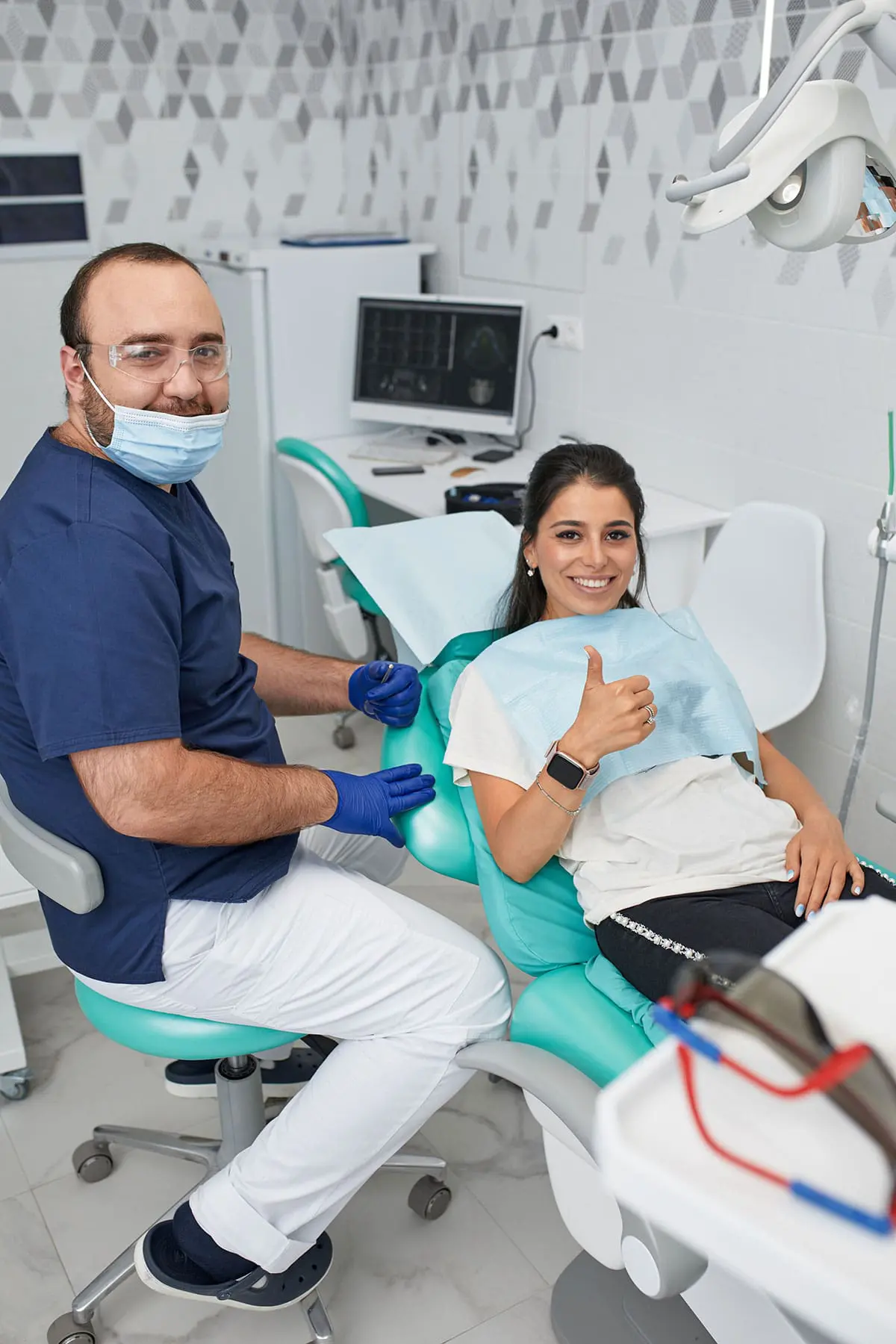
For many, visiting the dentist is a routine part of maintaining a healthy smile. For others, even the thought of a dental appointment can provoke anxiety, leading to postponed or avoided treatments. Unfortunately, skipping dental care can create a cycle of worsening oral health, pain, and more complicated procedures over time.
At Aveny Dental Clinic, we understand these concerns and are committed to making every visit as comfortable and stress-free as possible.
Understanding Dental Anxiety
Dental fear is common and can range from mild nervousness to severe phobia, sometimes referred to as odontophobia. This fear may be triggered by past traumatic experiences, fear of needles, or simply feeling out of control in the dental chair. Identifying the source of your anxiety and discussing it openly with your dentist is the first step toward a calm and successful visit.
The Importance of Regular Check-Ups
Regular dental visits are the most effective way to prevent serious oral health issues. Preventive care not only keeps your teeth and gums healthy but also supports overall wellbeing. For example, conditions like diabetes can increase the risk of gum disease, while managing your oral health can positively impact systemic health. Keeping up with routine dental appointments helps avoid complex procedures and ensures your mouth stays a gateway to a healthy body.

Managing Pain During Dental Procedures
Fear of pain is one of the main reasons people avoid the dentist. At Aveny Dental Clinic, we use modern pain management techniques to ensure your comfort:
- Topical anesthesia: Numbing gels applied to the treatment area to reduce discomfort before injections.
- Local anesthesia: Targeted numbing that allows the dentist to perform procedures without pain, usually lasting a few hours.
- Post-treatment care: Depending on the procedure, we may recommend ice, oral rinses, over-the-counter pain relief, or prescription medications to reduce discomfort and swelling.
Following your dentist’s instructions after treatment is crucial for a smooth recovery and minimal discomfort.
Managing Anxiety Before and During Your Visit
There are many strategies to reduce dental anxiety, and often a combination works best:
- Relaxation techniques: Deep breathing, meditation, and mindfulness can help slow your heart rate and ease tension.
- Distractions: Listening to music, podcasts, or using stress-relief tools can keep your mind occupied during treatment.
- Support system: Bringing a friend or family member to your appointment can provide reassurance.
- Therapeutic approaches: Cognitive behavioral therapy (CBT) can help change negative thought patterns related to dental visits.
Your dentist can help guide you toward the approach that works best for you.
Medications and Sedation Options
For patients with significant anxiety, medications can make a visit more comfortable:
- Anti-anxiety medication: Oral medications like diazepam can be taken before your appointment.
- Conscious sedation: Nitrous oxide (“laughing gas”) helps you relax while remaining fully conscious and in control.
- General anesthesia: Used for more complex procedures or severe dental phobia, putting you into a deep sleep during treatment.
Always inform your dentist about your medical history and current medications so that the safest option can be chosen.
Managing dental anxiety is a collaborative effort between you and your dentist. Communicate your fears, follow your dentist’s recommendations, and maintain regular check-ups even if your mouth feels healthy.
At Aveny Dental Clinic, our goal is to provide a gentle, safe, and comfortable experience while helping you maintain optimal oral health. With the right approach, dental visits can be stress-free and even enjoyable.